

"Clarinet Technique Exercises: Free Demnitz Etude Challenge (Tenuto, Legato & Staccato)"
Updated: Jul 24
Hi, I’m Izumi from Fujiyama Clarinet Studio in Japan. I teach online clarinet lessons and create programs to help clarinetists build strong, reliable clarinet technique fundamentals—step by step..
Do you ever notice that—even though you know “basics matter”—your daily practice slowly drifts into your own habits? Things like the attack, airflow, or the timing between fingers and tonguing can get blurry without you realizing it.
That’s why we’re hosting a Clarinet Etude Challenge using the Demnitz method book, to rebuild and solidify your clarinet fundamentals.
The tasks are simple: choose one etude each from Tenuto, Legato, and Staccato (3 pieces total) and submit one video. Rather than focusing on “performing beautifully,” we’ll prioritize whether your playing shows a clear understanding of tone production and technique.
Whether you’re a beginner or experienced, this is a great chance to check and strengthen the foundation of your clarinet playing.
Let’s make the basics something you can truly do—with Demnitz.

Clarinet Fundamentals Program: What to Expect from This Technique Challenge
Goal: Strengthen Core Clarinet Technique with Demnitz Etudes
To refine clarinet fundamentals by revisiting core techniques—from beginner to advanced levels—using the Demnitz method book. The Demnitz clarinet method remains one of the most widely used etude books for developing tone production, articulation, and phrasing in intermediate to advanced clarinetists.
About Demnitz (Friedrich Demnitz, 1845–1890)
Demnitz was the first clarinetist of the Dresden Court Orchestra, considered one of the oldest orchestras of the late 19th century. These etudes are designed to help clarinetists master tone production, legato, staccato, and other essential phrasing and technique.
Program Details
Clarinet Etude Assignments: Tenuto, Legato & Staccato Exercises
From Part 1, choose one etude from each category (total 3 pieces):
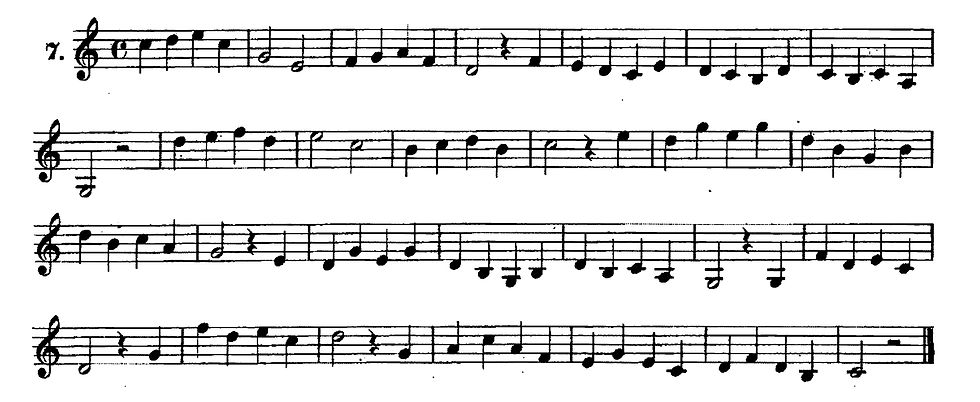
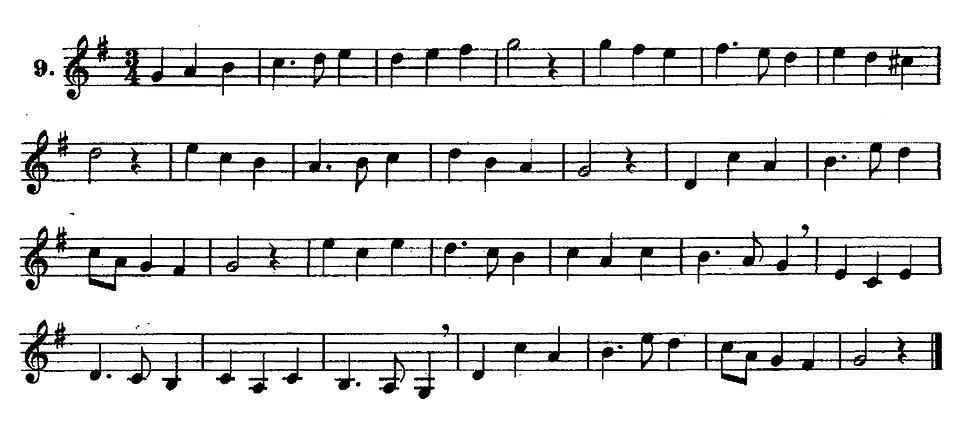
1) Tenuto (choose 1)
In Demnitz, “Tenuto” is indicated as separating notes with tonguing—this is the key point. Pay close attention to the start of each note, maintain full note value, and shape connections to match the character (clear / gentle). Use a moderately slow tempo; the slower it is, the more challenging it becomes.
tenuto1(No.2)

tenuto2(No.7)
tenuto3(No.9)
2) Legato (choose 1)
Smooth legato requires fast and accurate finger motion. Think in phrases and experiment with your own musical expression.
legato1(No.1)

legato2(No.3)

legato3(No.8)

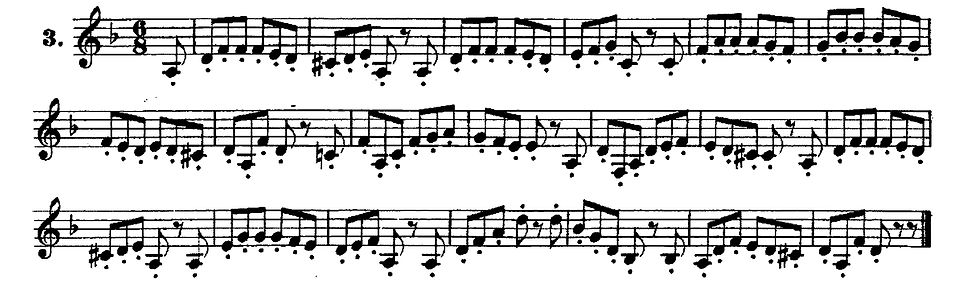
3) Staccato (choose 1)
Separate each note clearly with strength. Watch note length—aim for sound that is not too short, with resonance.
staccato1(No.1)

staccato2(No.3)
staccato3(No.4)

Submission Format
Format
Video link submission
Who Can Join
Studio lesson students
External participants welcome (first-time participants are also welcome)
Due date
( no due date at this moment but strongly suggest submit within a couple of month after commiting to enter the challenge)
How to Submit
Upload your recorded video to YouTube (Unlisted is recommended)
Send the video link via the submission form
(You can choose chat-style or form-style at the top before proceeding.)
Video Recording Rules (Important)
Record all 3 pieces in one single video. You may record each piece separately, or do a full one-take—either is fine, but you will submit one link only.
No editing (cut and joining the three clips together is allowed)
Camera angle: front to slightly angled; face + upper body + both hands must be visible
Make sure your hands and face are not hidden by a music stand, etc.
Fee
Free
Notes / Recommendations
We recommend joining the online briefing about the assigned pieces on March 26: (it already finished)
In this program, the focus is not so much musical expression, but whether you can demonstrate a clear understanding of Tenuto / Legato / Staccato technique in your playing.
Breath marks in the score are only a guide and do not need to be followed strictly.
Personalized Clarinet Instructor Feedback — Within 2 Weeks
Instructor feedback will be provided within 2 weeks after video submission.
About Fujiyama Clarinet Studio — Online Clarinet Lessons in Japanese & English
At the Fujiyama Clarinet Studio, we offer clarinet lessons with:
Bilingual lessons available (Japanese / English)
Online lessons available for students worldwide
個別レッスンのお問い合わせは

Comments